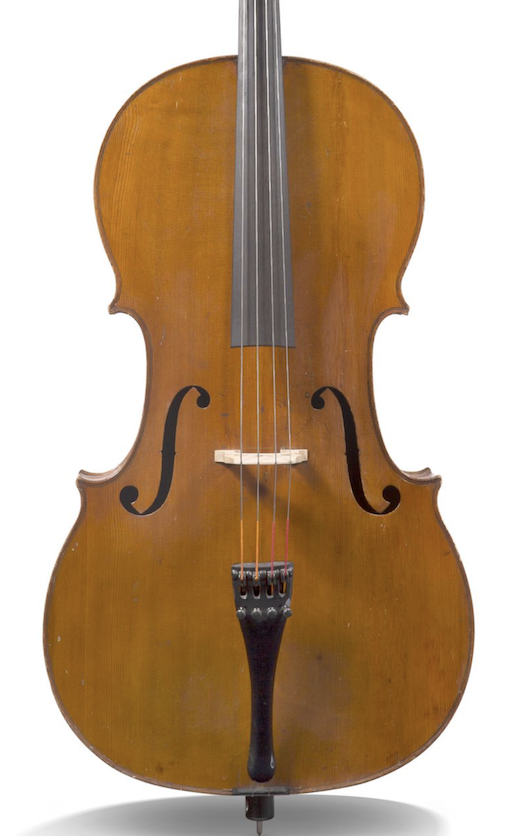
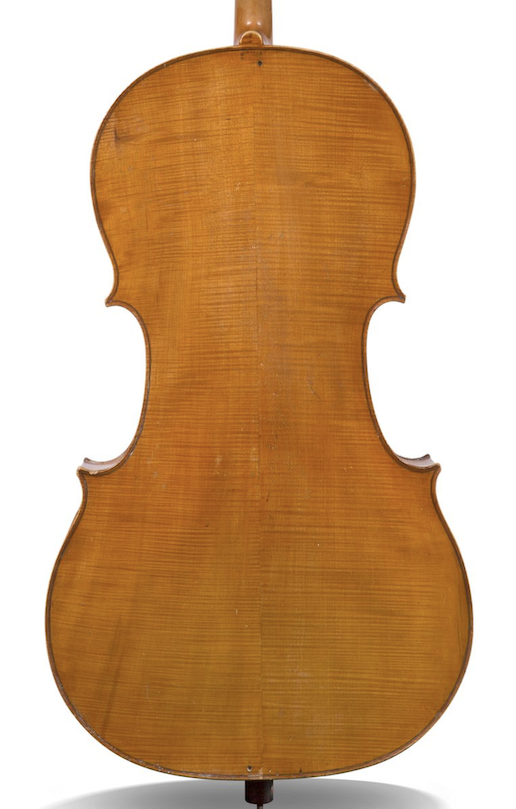
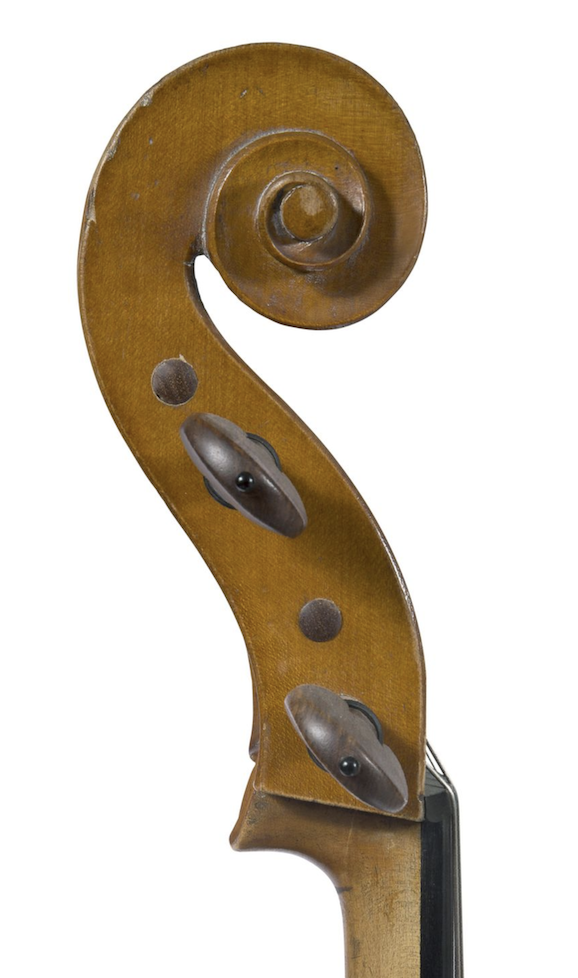
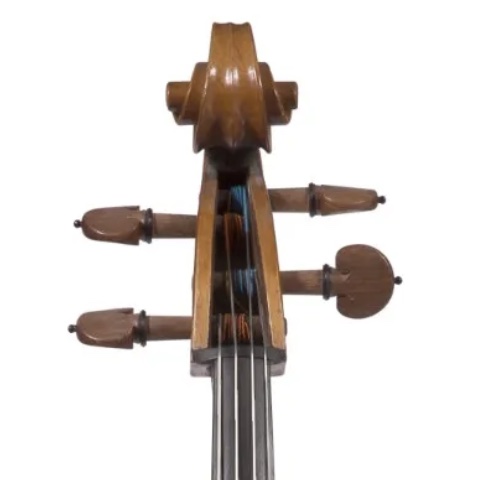
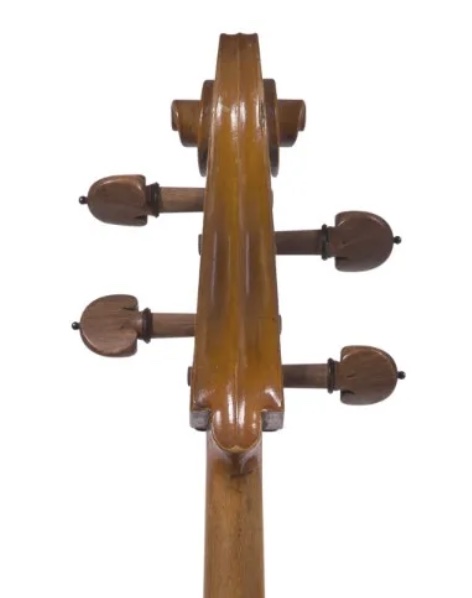
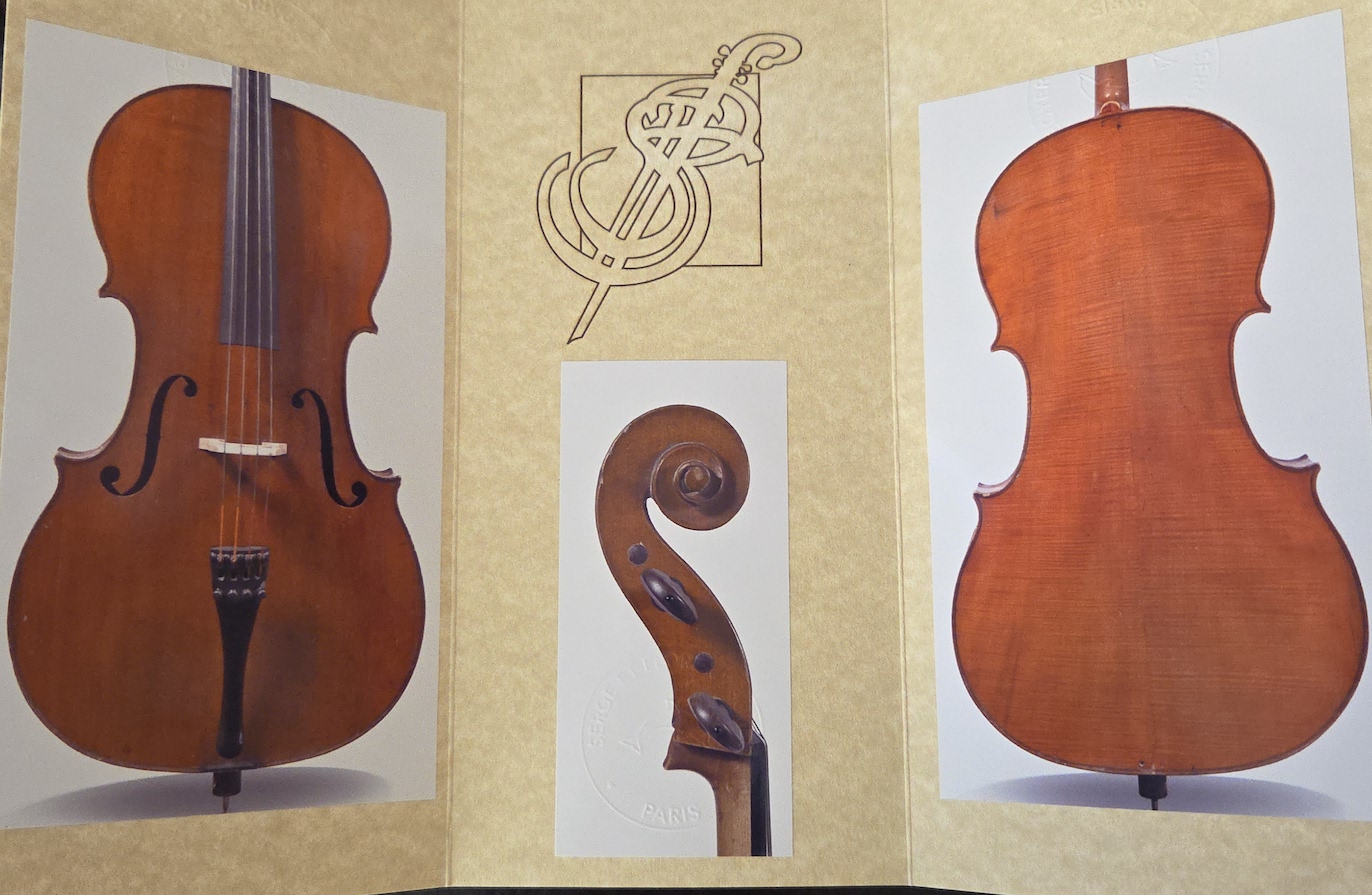
French cello Mathieu 1780

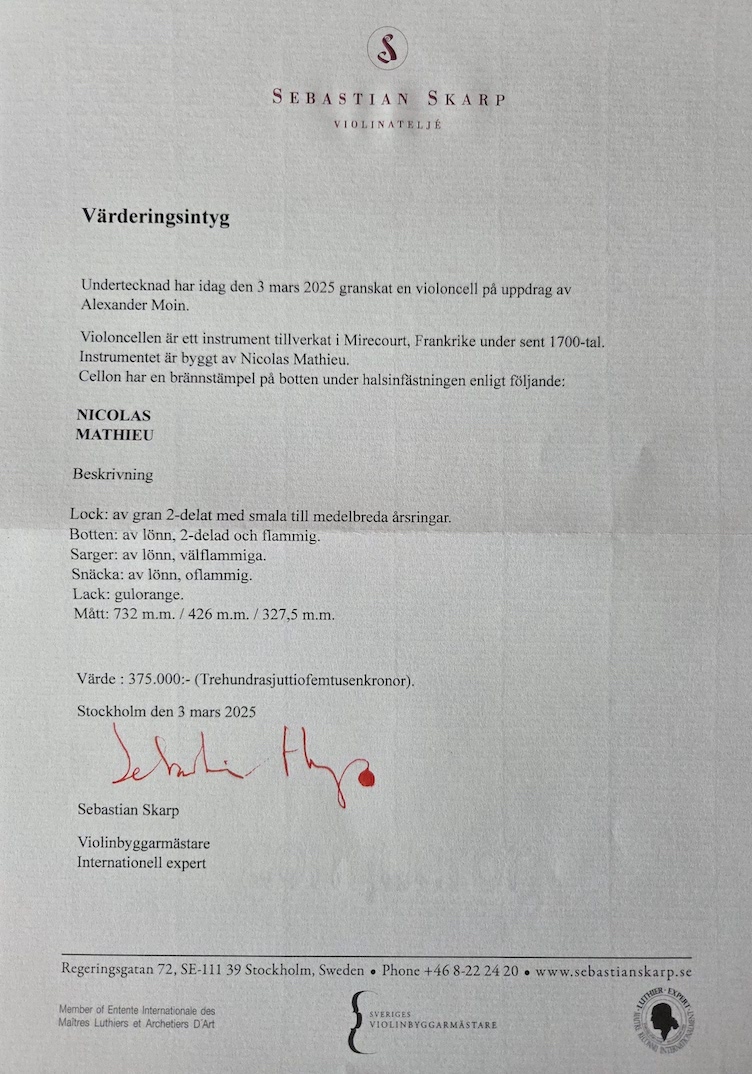
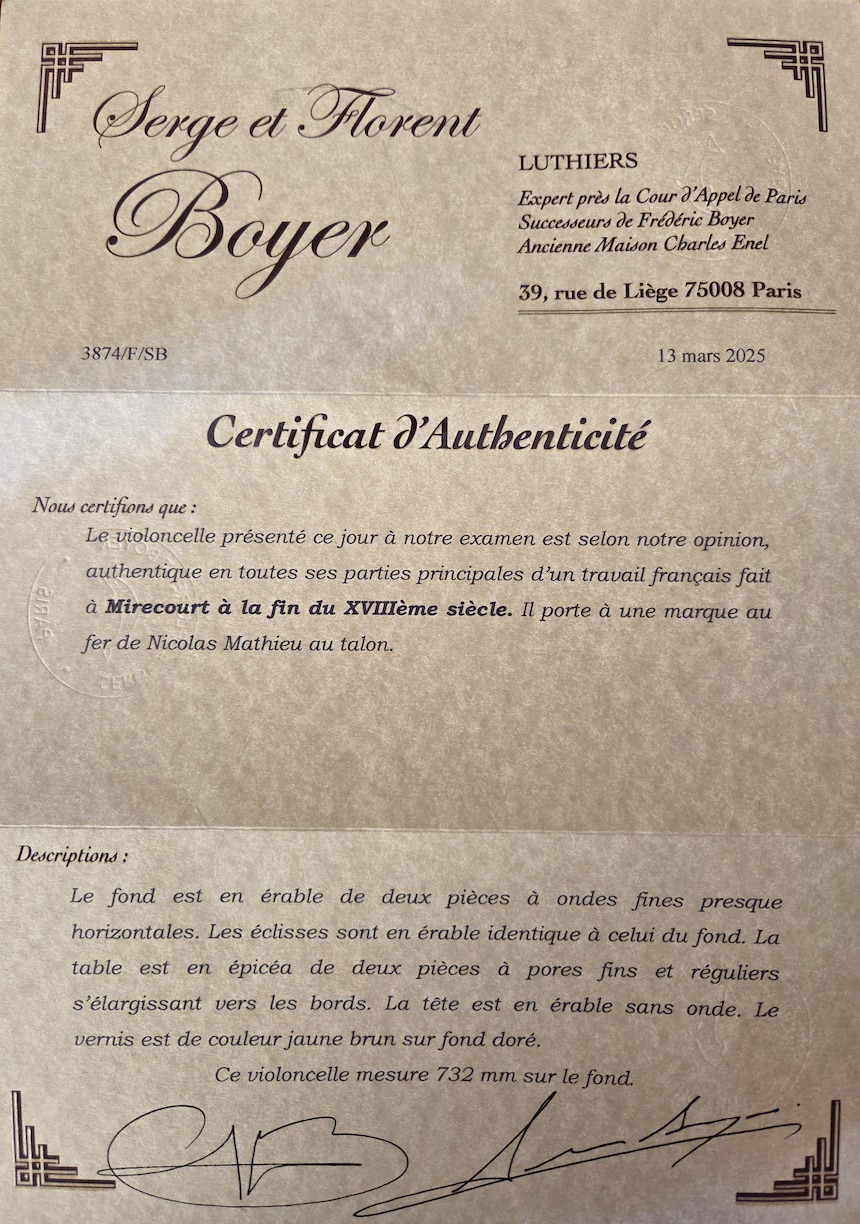
A good french cello Nicolas Mathieu made in Mirecourt ca. 1780-90. Certificate of Cabinet Boyer. Evaluation of S. Skarp.

Watch YouTube

LOB 732 mm
Vibrating string length 690 mm
Neck mensure 280 mm
Body mensure 400 mm

Price 375 000 SEK
Nicolas Mathieu was an active French luthier during the late 18th century. He was part of the extensive Mathieu family of makers based in the Vosges region.
Biography & Career
Born December 23, 1743, in Mirecourt, he was the son of the instrument maker Joseph Mathieu and is widely understood to have served his apprenticeship in his father’s workshop.
According to historical tax registers (taxpayer records) evaluated by René Vannes, Nicolas Mathieu was officially recorded as a master violin maker in Mirecourt starting around 1775.
Like many Mirecourt luthiers of the late 18th century (such as Nicolas Chappuy or the Claude Aubert school), Mathieu frequently used the mention “à Paris” or “Faiseur d’instruments à Paris” on his labels. This was primarily a commercial strategy to appeal to higher-end buyers, and there is no definitive historical archive proving he ran a permanent workshop in the capital.
Instruments from his workshop align with the traditional, robust standard of late 18th-century Mirecourt production.
He typically utilized a relatively flat model. His work shows clear stylistic influences from his contemporary, Nicolas Chappuy, and is often compared in build characteristics to the “Grand Gérard” style.
Varnish: Generally ranges from a warm yellow to a rich, distinctive red-brown varnish.
Tone Profile: Due to the flatter arching and generous proportions, surviving instruments (particularly his cellos and larger violins) are often noted for carrying a deep, focused, and carrying tone.
Mathieu’s instruments can be identified by a mix of manuscript labels, printed labels, and distinct brands:
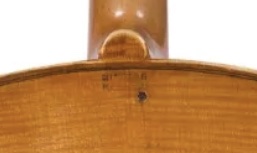
External Brands: He frequently branded his instruments externally just below the button:
While his violins are well-documented in historical auction archives, his cellos from the 1780–1790 period are highly regarded for chamber and orchestral play.